
An introdution to Usability
What is Usability?
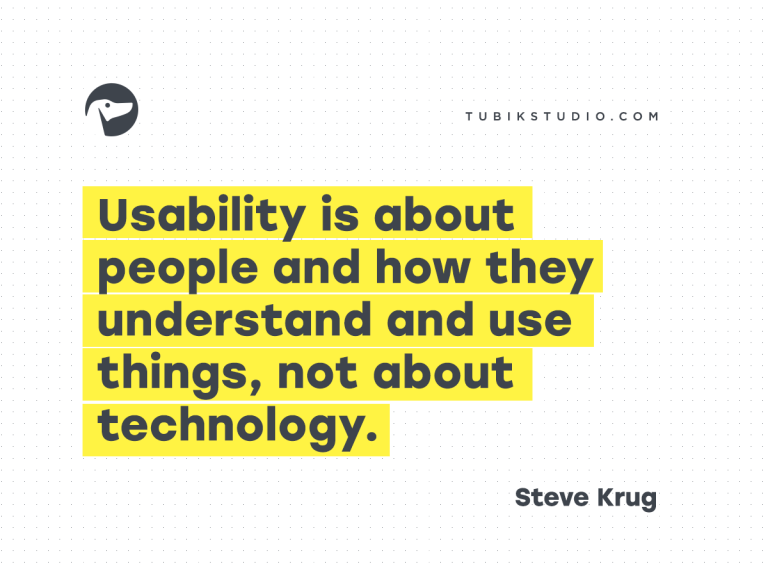
Usability refers to how easy and efficient it is for users to interact with a website or digital platform. Usability encourages people to design interfaces that allow users to complete tasks quickly while reducing errors and frustration.
Usability is not just about visual design of a website, it also focuses on creating an experience that is effective and efficient for users. Some key aspects of usability include how easy it is for users to learn to use a website, how quickly they can perform tasks, how few mistakes they make, and how happy they are with their overall experience.
Key Aspects of Usability
There are a number of factors that contribute to the overall usability of a website.
Learnability measures how easy it is for a user to complete a task the first time they encounter a website. A well-designed site should allow users to navigate and perform basic functions without large amounts of instructions.
Efficiency looks at how quickly users can perform their desired tasks after becoming familiar with the website’s design. A website should allow users to achieve their goals with minimal time and effort.
Memorability looks at how easily users can remember how to use a website after a period of not using it. A well-designed website ensures that returning users can perform the required tasks without having to relearn the interface each time.
Error tolerance looks at how often users make mistakes when using the website and how easily the users can recover from the mistakes. Effective error messages and clear guidance helps users to recover from these mistakes quickly. Satisfaction is about how pleasant and easy it is for users to interact with the website. A satisfying user experience can lead to positive feedback and long-term engagement.
Why is Usability Important in Web Design?
Usability is vital in web design for a number of reasons. Websites that are easy to use keep users engaged and often encourage them to return again. Confusing or frustrating design can cause users to click off the website, this leads to lower retention rates.
Usability also effects e-commerce, which directly affects business performance and sales. A simple and straightforward navigation and checkout process can increase sales and decrease cart abandonment from users. Usability is also linked to SEO, as search engines prioritise websites with good user experiences. This can lead to increased visibility and traffic.
A well-designed website ensures that people with disabilities can access and use it. Usability makes websites more inclusive, and it allows for a broader audience to access the content. Finally, a website with good usability requires less technical support for users. This can reduce the need for troubleshooting and technical assistance, this reduces costs for the business.
Usability vs. User Experience (UX)
Usability and User Experience (UX) are closely related, however they focus on different aspects of design.
Usability focuses on how efficiently a user can complete a task on a website or app. It tries to reduce confusion or errors for a user. UX examines how a user feels before, during, and after interacting with a website or app. It focuses on things such as emotions and the users overall view and idea of the brand or product.
Usability is about solving problems and removing obstacles, that allows the website to have a smooth and functional use UX goes looks further than just the functionality and attempts to create meaningful and enjoyable experience for the user.
Both Usability and UX are important concepts when creating a website. It not only ensures that the websites function well, but also leave a positive impression on users.