
How usability effects Accessibility?
Accessibility in Usability
Accessibility in web design is about ensuring that everyone can use a website, including people with disabilities. It’s not just about meeting the standards for a website, it’s about creating a website or app where all users, no matter their abilities, can easily find and interact with information.
When designers focus on accessibility, they make sure that the content and features are available to everyone, regardless of any physical, sensory, or technological barriers.
Key Features That Make Websites More Accessible
There are a number of key features to keep in mind when designing an accessible website.
For example, text alternatives are essential. If an image, video, or audio clip is used, there should always be a text option describing that content e.g caption or transcripts. This ensures people with visual, or hearing impairments can still access the content.
Keyboard navigation is another important feature, users should be able to get around a site using only their keyboard. This helps people with mobility impairments or those who rely on assistive tools.
Resizing the page is also important, users need to be able to resize and change the layout of the make without breaking the layout. This allows people with visual impairments to be able to make things bigger, so it is easier to see or read.
Best Practices for Designing for People with Disabilities
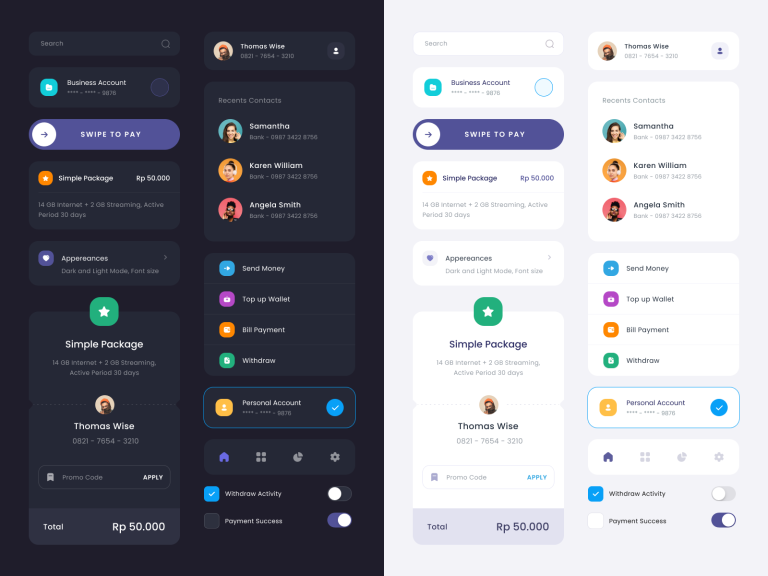
There are a number of ways that website designers can design a website to ensure that it is accessible for people with diverse needs. High Contrast colour schemes can make the text on a site stand out. Having the ability to resize a page without messing up the page layout and ensuring the site is compatible with screen readers all ensure that the visually impaired people can still access the websites content.
People with hearing impairments often require visual cues instead of sound alerts. For example, pop ups or icons can replace sound notifications, transcripts and captions for audio videos also helps users understand what is happening without needing sound.
For people with cognitive disabilities, simplicity and consistency is vital. Websites that have too much going on can become overwhelming for a user. Simple layouts and navigation features make the experience easier for the user and allows them to access the required information.
Light vs Dark image belows displays Colour Contrast Usability.
Conclusion
The main goal of accessibility is to create websites that allow everyone to access the content. It allows users to research, shop and consume content regardless of and disabilities or barriers. Accessibility not only meets legal standards, but it also shows a company’s commitment to inclusivity. Accessible websites often help companies to build trust and loyalty with users, as they feel their needs are valued and considered in the process of making the website